

A Therapist & HR Practitioner’s Guide to Grief and Identity After a Layoff
If you’ve recently lost a job or feel like you’re losing yourself somewhere in the middle of a career upheaval, this is for you. Not the professional version of you. You.
I know this darkness firsthand. As both an HR practitioner and therapist, I have not only supported others through layoffs, but have also experienced the pain and identity crisis of being laid off myself. It is common to spend hours questioning you self-worth and wondering who you are without your work role and identity. If you are experiencing this, know that you are not alone.
In my HR roles, I have helped clients in the D.C., Maryland, and Virginia communities revamp resumes, develop job search strategies, navigate career changes, and resolve workplace issues. As a counselor, I have guided people in these communities through the stress of dwindling savings, repeated job rejections, and major life changes after losing a job.
The sacrifices we make for work, such as missing family events and staying late in the office, can feel painfully undervalued when a job ends, often deepening those questions of identity and worth. If you are struggling after a layoff or during a career transition, remember that your value goes far beyond any job role, and support is available to help you cope, rebuild your sense of self, and navigate this challenging time.
Understanding Grief After Job Loss
Losing a job brings a unique kind of grief. Just like any other loss, the process involves cycling through a range of emotions: denial, anger, bargaining, depression, and eventually acceptance. This process isn’t linear. We may revisit certain stages multiple times. You might feel shock, sadness, anger, guilt, or even relief. All are valid and all are common.
It’s important to remember: the goal is not to “fix” the grief. Instead, the focus centers on finding pathways to process the loss and exploring what life can look like moving forward.
Strategies for Navigating Job Loss and Reclaiming Identity
If you’re reading this and walking through the pain of career upheaval, know this: You are not alone. Here are some strategies I recommend as both a therapist, HR practitioner, and someone who has lived through job loss themselves:
1. Allow Yourself to Grieve & Seek Support
Allow yourself to experience your emotions without judgment because processing grief is an important part of healing. It is also important to reach out for support during this time. Talking with trusted friends, family, a licensed therapist, or joining a job loss support group can provide comfort, reduce feelings of isolation, and offer valuable insights as you navigate this transition.
2. One Step At A Time
Recovering from job loss can feel overwhelming, so focus on taking small and manageable steps each day. This might include updating your resume, reaching out to your network, or simply taking time to rest and regroup. Remind yourself that job loss is often beyond your control and does not define your worth.
3. Take Care of the Basics: Meeting Your Core Needs
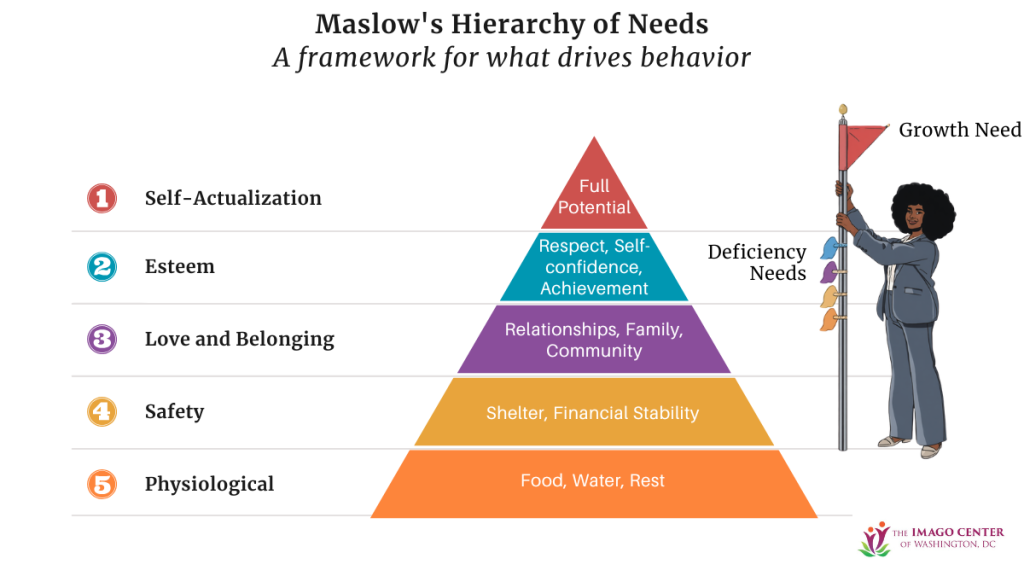
When coping with job loss, your first priority should be to address your most essential needs. Maslow’s Hierarchy of Needs teaches us that the Psychological tier covers basics like food, shelter, and clothing, while the Safety tier focuses on health, stability, and personal security. As a therapist, I encourage clients to put these foundational needs first, because true well-being starts with feeling secure and safe. This may mean accepting a job outside your previous field simply to ensure financial stability and a safe living environment. Meeting your Psychological and Safety needs builds the groundwork for long-term healing and mental health.
4. Reclaiming Passion and Investing in Growth
After your core needs are met, give yourself permission to explore work that truly excites and motivates you. Identify what inspires you and think about how your strengths and values align with new job opportunities. This is a great time to look into free or affordable courses to sharpen your skills, discover new career fields, or research job profiles with accompanying salary trends for roles that interest you. Focusing on personal and professional development not only increases your options but also creates a renewed sense of purpose, helping you transform a difficult transition into an opportunity for growth.
If this resonates and you’d like support, I’d love to connect. I’m Jasmine Adjei, a licensed therapist in Maryland and Washington DC. You can learn more about me and reach out directly. I would love to support you through this.